

7 Ways AI Automatically Sorts and Categorizes Freelance Business Expenses
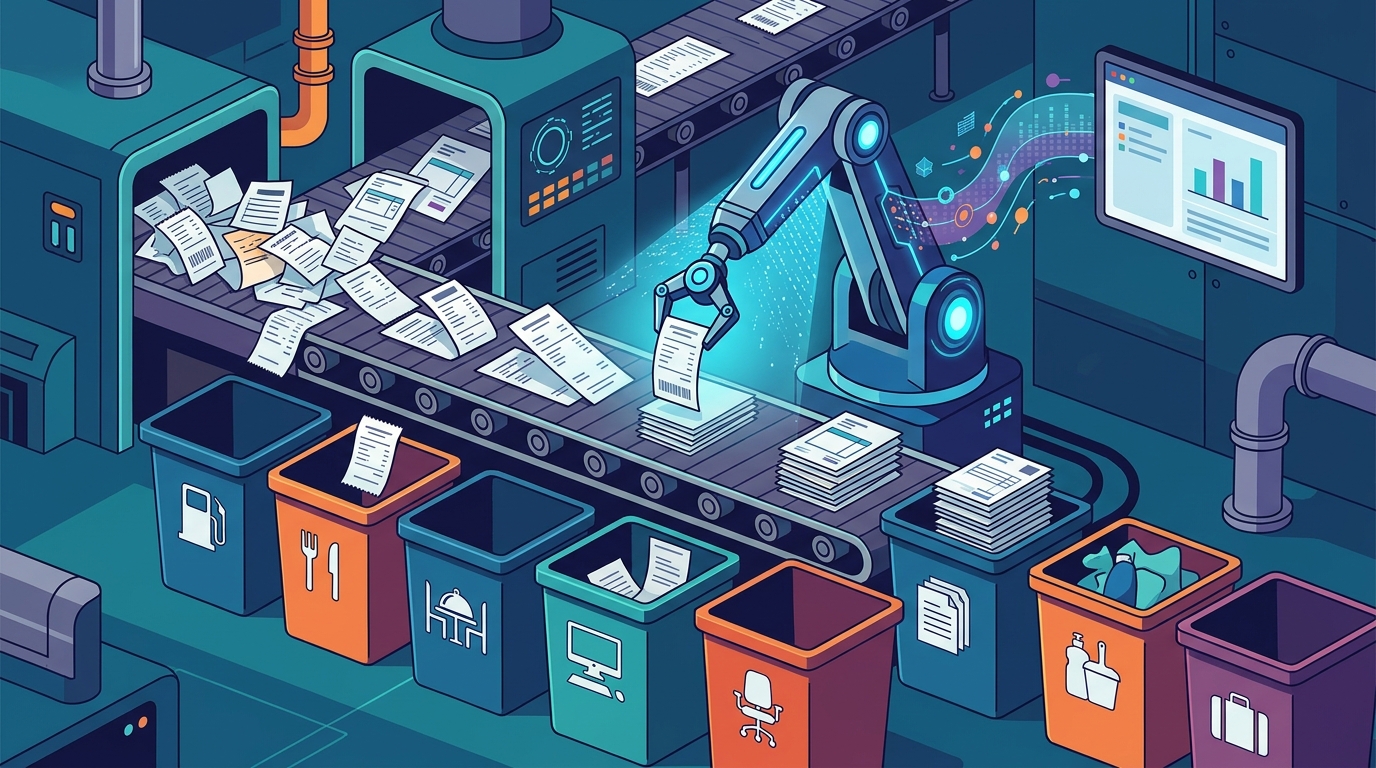
Freelancers often struggle to separate personal spending from business deductions. AI technology solves this by analyzing transaction patterns and receipt data to assign accurate categories automatically. This process saves hours of manual data entry and reduces the risk of missing valid deductions. SnapTax leverages these AI capabilities to help 1099 workers maintain organized records year-round.
1. Bank Statement Upload and Parsing
AI extracts transaction data directly from CSV, PDF, or OFX files. Instead of typing every expense manually, you can upload your bank statement. The AI parses the file, identifies each transaction, and imports it into your expense tracker. This method ensures that no business purchase is overlooked during the initial data capture phase.
2. Merchant Name Recognition
Algorithms identify vendors to assign the correct expense category. AI systems learn from millions of transactions to recognize specific merchant names. For example, a purchase from a major office supply retailer is automatically tagged as office supplies. This recognition reduces the need for user intervention on routine purchases. according to Automatable algorithms to
3. Optical Character Recognition (OCR) for Receipts
OCR technology reads text from receipt images to extract key details. When you snap a photo of a receipt, the AI reads the vendor, date, and amount. It then matches this data against your bank transactions to confirm the expense. This dual-verification process ensures accuracy and provides an audit trail for your records.
4. Machine Learning for Pattern Recognition
AI learns your specific spending habits over time. As you correct or confirm categories, the system adapts to your unique business profile. If you frequently buy software subscriptions, the AI learns to categorize similar future charges as software expenses. This continuous learning improves accuracy with every transaction you process.
5. Automatic Business vs. Personal Splitting
AI distinguishes between business and personal use for mixed transactions. Many freelancers use a single bank account for both types of spending. AI algorithms analyze transaction context to flag items that may be personal. This helps you maintain clear boundaries, which is critical for IRS compliance and audit readiness.
6. Mileage Tracking Integration
GPS data and AI combine to calculate deductible business miles. The 2026 standard mileage rate is 72.5 cents per mile, but you must document business miles properly to claim the deduction. AI-powered mileage trackers distinguish between business and personal driving based on routes and destinations. This automation ensures you capture every deductible mile without manual logging.
7. Schedule C Category Mapping
AI maps raw transactions to specific IRS Schedule C line items. General categories like "office expenses" are refined into specific Schedule C sections. This mapping ensures your data is ready for tax preparation software. It eliminates the confusion of translating general spending into specific tax forms.
Choosing the Right AI Expense Tool
Frequently Asked Questions
How accurate is AI expense categorization?
AI categorization is highly accurate for common merchant types and transaction patterns. Accuracy improves as the system learns your specific spending habits. You should still review and confirm categories to ensure full compliance.
Can AI handle mixed business and personal expenses?
Yes, AI can flag transactions that appear to be personal or mixed-use. It helps you identify these items for review. Proper documentation is required to support any business portion of a mixed expense.
What is the 2026 standard mileage rate?
The 2026 standard mileage rate is 72.5 cents per mile. You must document business mileage to claim this deduction. AI mileage trackers can help automate this documentation process.
Does AI replace the need for a tax professional?
No, AI tools are designed to organize data and estimate liability. They do not provide personalized tax advice. You should consult a qualified tax professional for specific filing decisions.
How does SnapTax use AI for expense tracking?
SnapTax uses AI to categorize bank transactions and extract data from receipts. It maps these expenses to Schedule C categories. This helps freelancers maintain organized records throughout the year.
Start Organizing Your Expenses with SnapTax
Take control of your freelance finances with automated expense tracking. Explore SnapTax's expense tracker to see how AI can simplify your bookkeeping. Stay tax-ready year-round with tools built specifically for 1099 workers.