

Freelancers struggle with income tracking because variable earnings and the absence of automatic tax withholding create a gap between cash flow and tax liability. This disconnect often leads to underpayment penalties and financial stress. SnapTax addresses this by providing real-time income tracking that updates your tax estimates as money arrives, ensuring you always know your true financial position. according to Why Most Freelancers
The Variable Income Trap
Unlike salaried employees, freelancers do not receive a steady paycheck. Income arrives in irregular bursts, often tied to project milestones or client payment cycles. This variability makes it difficult to predict monthly cash flow. A slow month followed by a busy one can drastically change your annual tax bracket. Without a system to smooth out these fluctuations, you risk overestimating your income in slow months and underestimating it in busy ones. according to Why Most Freelancers
The core issue is that income tracking is not just about knowing how much you earned; it is about understanding the timing of that income relative to tax deadlines. When you do not track income in real time, you cannot accurately calculate your quarterly estimated tax payments. This leads to the common scenario where a freelancer pays too little in the first half of the year and faces a massive bill in the second half. according to Understanding Taxes Tax
The Documentation Gap
Many freelancers track income in a spreadsheet or a general bank account, but they fail to categorize it properly. The IRS requires that business income be clearly distinguished from personal funds. If your income and personal spending are mixed in one account, you create an audit risk. Proper documentation is not optional; it is a legal requirement for claiming deductions and reporting income accurately. according to Tax Withholding Estimator
Income tracking must also account for the source of the funds. A 1099-NEC form is not the only indicator of taxable income. Cash payments, platform payouts, and international transfers all count. If you do not have a system that captures every dollar as it enters your business account, your records are incomplete. Incomplete records lead to underreported income, which can trigger IRS notices and penalties.
The Tax Liability Blindspot
Freelancers often confuse revenue with profit. Revenue is the total amount of money you earn. Profit is what remains after you subtract your business expenses. Taxes are calculated on profit, not revenue. If you only track your revenue, you do not know how much you actually owe the IRS. This is a critical blindspot that causes many freelancers to over-save or under-save for taxes.
To fix this, you need a tool that tracks both income and expenses simultaneously. When you know your net profit, you can calculate your self-employment tax and income tax accurately. The self-employment tax rate is 15.3% on your net earnings. This tax is often forgotten by new freelancers because it is not withheld from their paychecks. By tracking income and expenses in real time, you can see your net profit and adjust your savings accordingly.
The Technology Solution
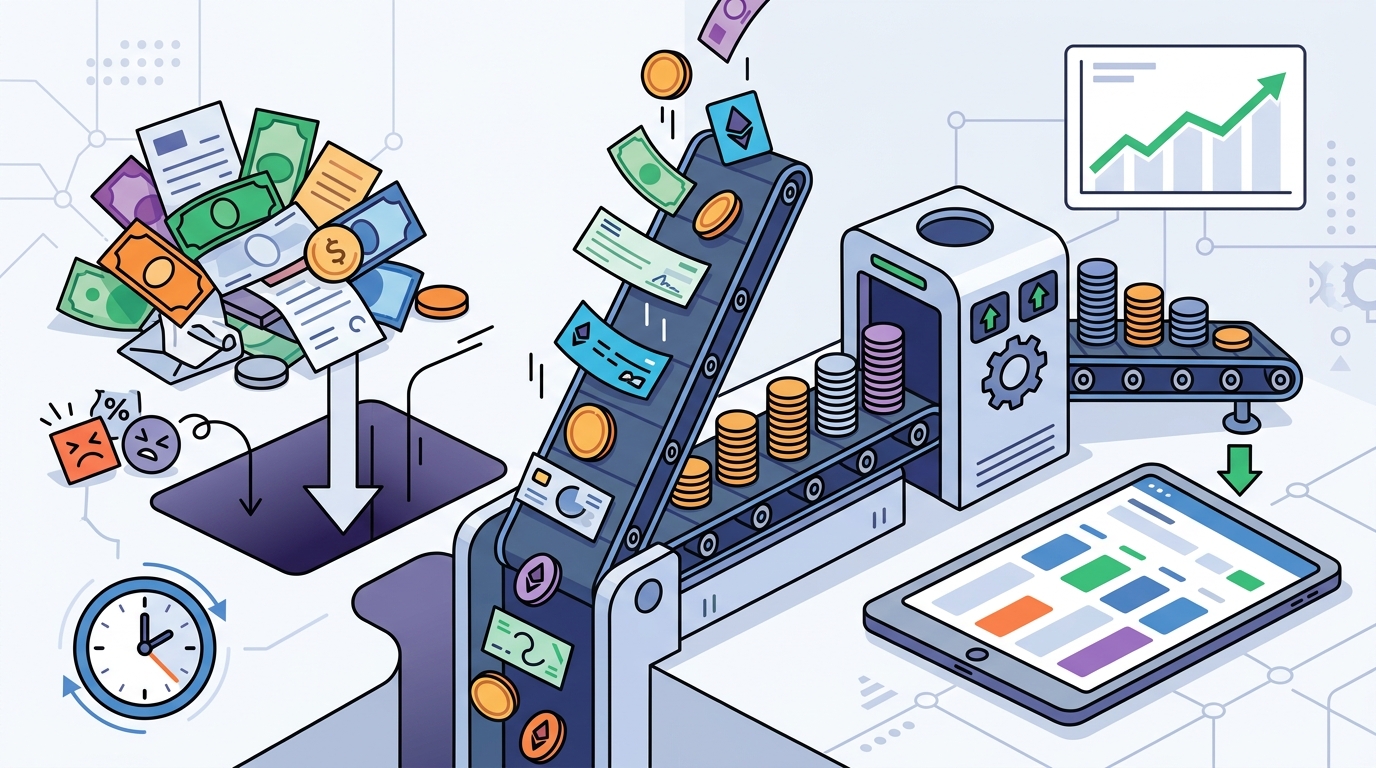
Manual tracking is error-prone and time-consuming. Spreadsheets require constant updates and are prone to human error. Bank statements are not designed for tax purposes; they show transactions, not tax categories. A dedicated tax planning tool automates this process. It connects to your bank accounts, categorizes transactions, and updates your tax estimates in real time.
SnapTax is built specifically for this purpose. It tracks your income, expenses, and mileage, then calculates your federal and state tax liability using current IRS figures. The platform updates your quarterly estimates every time you log new income or expense. This means you always know how much to save for taxes. You do not have to wait until tax season to find out what you owe. You know it all year long.
Implementing a Tracking System
Fixing your income tracking requires a structured approach. First, separate your business and personal finances. Open a dedicated business bank account. All business income should go into this account. All business expenses should be paid from this account. This separation makes tracking easier and reduces audit risk.
Second, choose a tool that fits your needs. If you are a new freelancer, a simple tool that tracks income and expenses may be enough. As your business grows, you may need more advanced features like mileage tracking and asset depreciation. SnapTax offers a free tier for basic tracking and paid plans for advanced features. The free tier includes quarterly tax estimates and a full federal and state tax breakdown. This allows you to start tracking immediately without any cost.
Key Takeaways
- Variable income makes manual tracking difficult and error-prone.
- Mixing business and personal finances creates audit risk and complicates tax calculations.
- Taxes are based on net profit, not revenue, so you must track both income and expenses.
- Real-time tracking tools update your tax estimates as your financial situation changes.
- Separating business and personal accounts is the first step in effective income tracking.
- SnapTax provides a free tier for basic income tracking and quarterly tax estimates.
Frequently Asked Questions
Why is income tracking important for freelancers?
Income tracking is important because it allows you to calculate your tax liability accurately. It helps you avoid underpayment penalties and ensures you have enough cash saved for taxes.
What is the difference between revenue and profit?
Revenue is the total amount of money you earn from your business. Profit is what remains after you subtract your business expenses. Taxes are calculated on profit, not revenue.
Do I need a separate bank account for my freelance business?
Yes, it is highly recommended. A separate bank account helps you keep your business and personal finances separate, which makes tracking easier and reduces audit risk.
How often should I update my income tracking?
You should update your income tracking in real time or at least weekly. Waiting until the end of the month or quarter can lead to errors and make it difficult to catch mistakes.
Can I use a spreadsheet to track my income?
You can use a spreadsheet, but it is manual and error-prone. A dedicated tool like SnapTax automates the process and reduces the risk of human error.
What is the self-employment tax rate?
The self-employment tax rate is 15.3% on your net earnings. This tax covers Social Security and Medicare contributions.
Conclusion
Income tracking is a critical skill for freelancers. It is the foundation of accurate tax planning and financial stability. By understanding the challenges of variable income and the importance of proper documentation, you can build a system that works for you. SnapTax provides the tools you need to track your income, expenses, and taxes in real time. Start your free trial today and take control of your financial future.